Booking choice: The Seven Lakes day trip, from $63 per person. Check dates Tour details
The Fann Mountains have two calendars. On foot, the high passes clear of snow in late June and close again in September. By road, the Seven Lakes day trips run far longer, and guests have taken them in November and December.
The figures below are averages for Panjakent, at about 1,000 metres, from weather2travel. The lakes sit 600 to 1,400 metres higher, and the air cools by roughly 6 to 7 °C for every 1,000 metres you climb, so take a layer more than the numbers suggest.
The quick answer
For trekking, go from late June to mid-September, when the passes are clear and it barely rains. For Seven Lakes and Iskanderkul day trips, May to October is comfortable, with dry, hot summers and gold poplars in October. Spring is the wettest time and can turn the valley road to mud. Winter brings snow and ice: the Seven Lakes road may only reach the sixth lake, and Iskanderkul freezes.
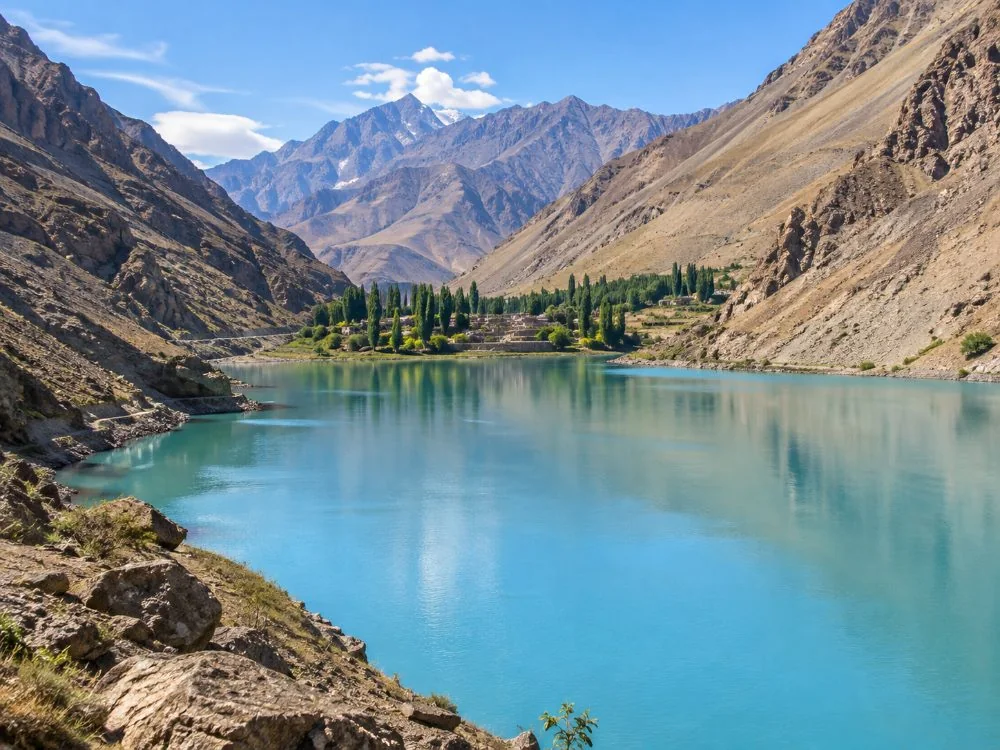
When is the best time to visit the Fann Mountains?
Late June to mid-September for trekking. May to October for the day trips, with September and early October the sweet spot for both.
September is hard to beat: Panjakent averages two rain days, highs around 25 °C, and the trekking passes are still open. July and August are the high-mountain months and the hottest in the valleys. October is cooler and quieter, with the poplars turning.
Winter and early spring work for the Seven Lakes by road if you accept snow, ice and the chance that the top lake is out of reach. See the Seven Lakes in winter post for this season.
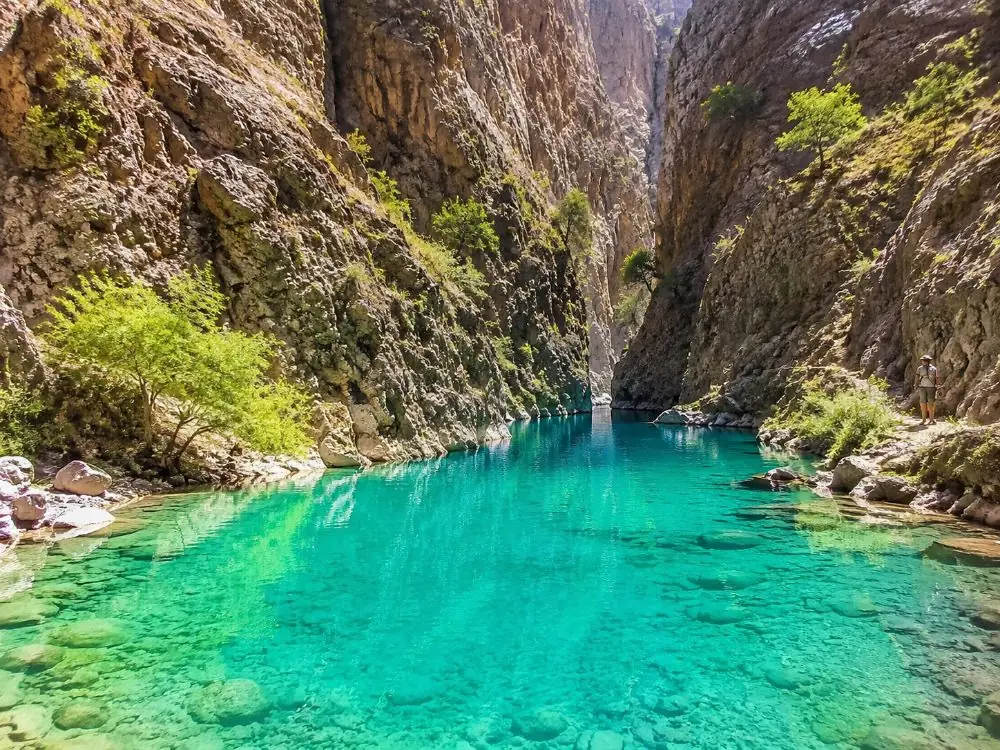
What is the weather like month by month?
Hot, dry summers and cold, wet winters. July is the warmest month, January the coldest, March and April the wettest.
Panjakent averages (about 1,000 m), with our notes on what that means higher up:
| Month | Panjakent high / low | Rain days | In the mountains | Good for |
|---|---|---|---|---|
| January | 3 / -6 °C | 11 | Snow; lakes partly frozen | Winter day trips, with care |
| February | 4 / -5 °C | 11 | Snow and ice on the road | Winter day trips, with care |
| March | 10 / 0 °C | 14 | Thaw, mud, snow above | Short day trips |
| April | 17 / 6 °C | 12 | Wettest month, snow on passes | Day trips |
| May | 22 / 9 °C | 9 | Green valleys, snow high up | Day trips |
| June | 28 / 13 °C | 3 | Passes open late in the month | Day trips; treks from late June |
| July | 31 / 15 °C | 2 | Warmest, dry | Treks, swims |
| August | 29 / 13 °C | 1 | Driest | Treks, swims |
| September | 25 / 8 °C | 2 | Cool nights, clear days | Treks to mid-month; day trips |
| October | 18 / 3 °C | 6 | Gold poplars, cold nights | Day trips |
| November | 11 / 0 °C | 8 | First snow on peaks | Day trips |
| December | 6 / -3 °C | 10 | Snow possible on the road | Winter day trips |
The Seven Lakes day trip runs well beyond the trekking season. Check your date on GetYourGuide.
Check dates for the Seven Lakes day tripIs Tajikistan a hot or cold country?
Both. The valleys are hot in summer and the mountains are cold most of the year, with a big drop at night.
Panjakent averages 31 °C in July; Eurasia Travel reports valley days of up to 44 °C, while nights at Marguzor fell to about 7 °C. In January Panjakent averages -6 °C at night. Most of the country is mountains, about 93%, so most of it is cold for much of the year.
On a summer day trip you can sweat in the bazaar at 10 a.m. and want a fleece at Hazorchashma at 2 p.m.
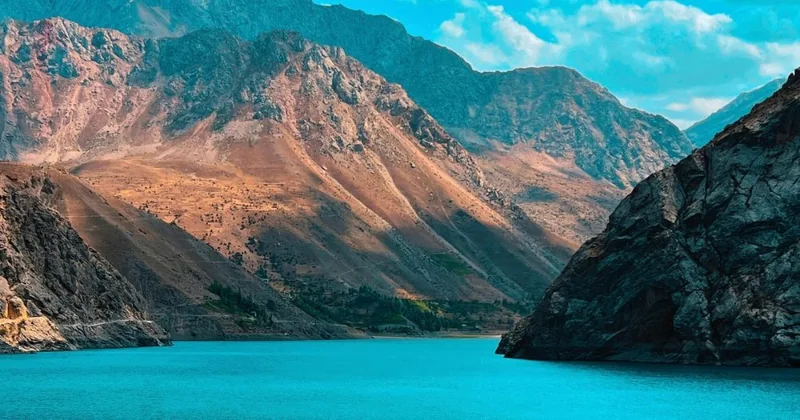
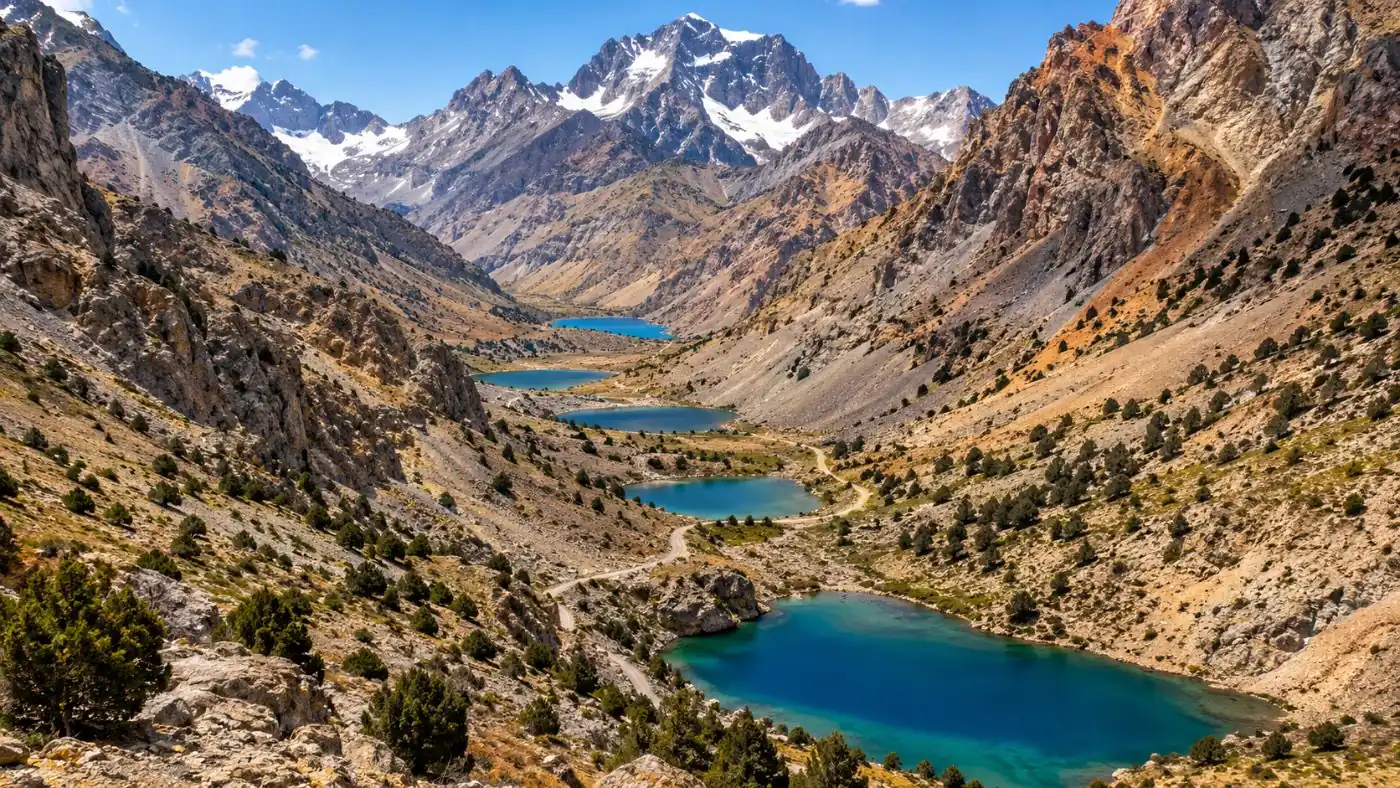
One day from Samarkand, from a warm valley bazaar to a cold lake at 2,400 metres.
Explore the Seven Lakes day trip Tour detailsDoes it snow in Tajikistan and the Fann Mountains?
Yes. Snow covers the high Fanns for much of the year, falls in the valleys in winter, and lingers on the passes into late June.
Weather2travel notes that rain in Panjakent in January and February may fall as snow. In the Seven Lakes valley, Eurasia Travel says winter roads are buried and villages can be cut off from the district centre for five to six months. A local operator on its forum says winter visits only reach the sixth lake and need a 4x4. Iskanderkul freezes almost solid.
Even in summer, snow sits on the peaks: Eurasia Travel saw it above Hazorchashma at the end of July. The Chimtarga Pass, at about 4,750 metres, is snow-covered.
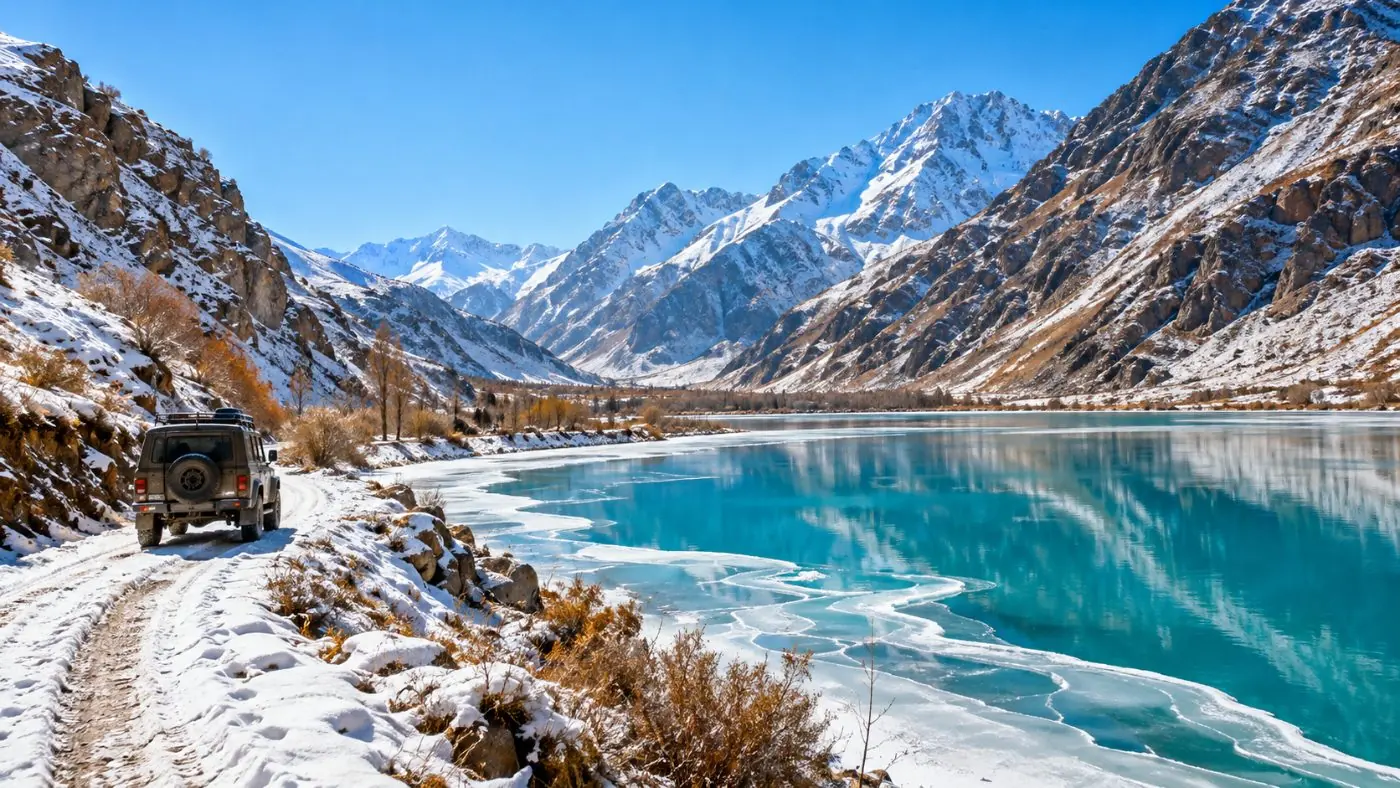
When is the trekking season, and when are day trips better?
Trek from late June to mid-September. Outside that window, stick to day trips by road.
The trekking window is set by snow on the passes: Wikipedia gives late June to mid-September, with July and August for mountaineering. The 2-day Kulikalon trek crosses a 3,700-metre pass, so early or late in the season ask the operator about snow before you book.
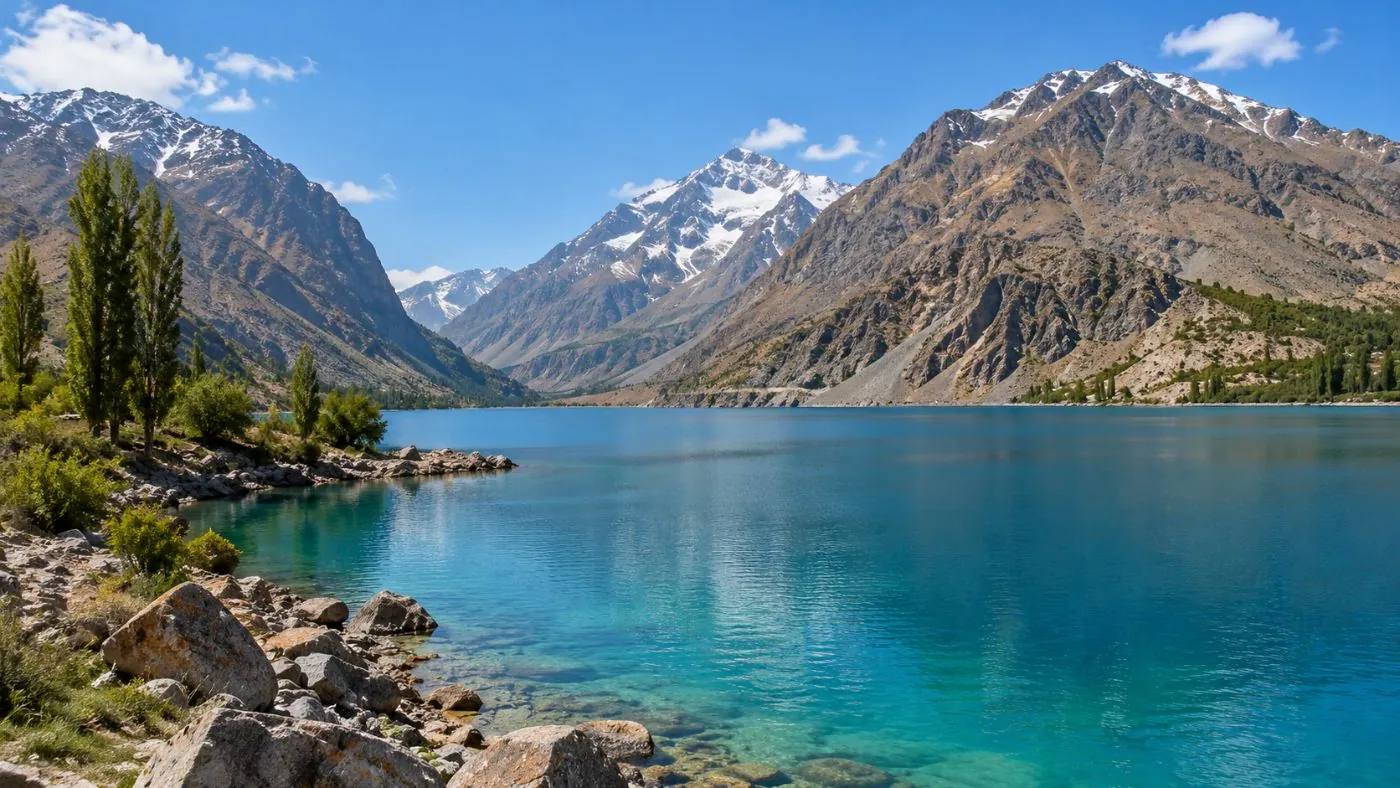
Day trips run much longer. Guests have taken the Samarkand trips in November, and the Iskanderkul tour in March, May, July, October and November. The UK government flags avalanche risk on mountain roads in spring. The 2027 trekking season post has next summer's dates as they firm up.
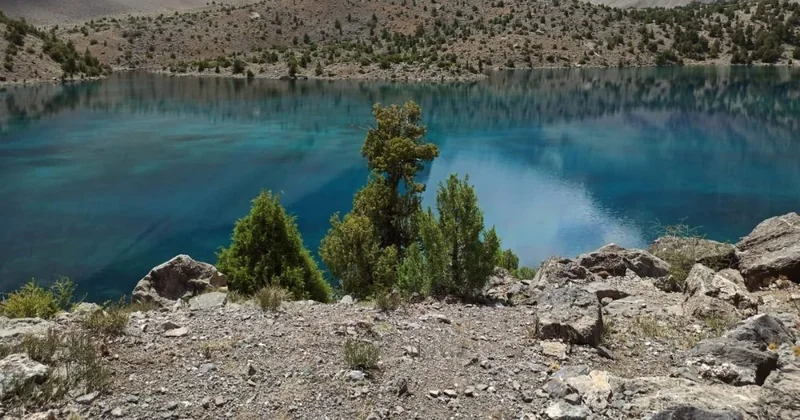
Inside the trekking window: two days to Kulikalon from Samarkand, with tent, meals and a mountain guide.
Explore the Kulikalon trek Tour detailsWhat is spring like in the Fann Mountains?
Wet and green. March and April are the rainiest months, the high passes are under snow and the valley road can turn to mud.
Panjakent gets 12 to 14 rain days a month in March and April. A traveller who went in March reached only six of the seven lakes because rain had made the road too muddy, and later tours that week were cancelled. The forum operator expects ice to melt and roads to get muddy from mid-March.
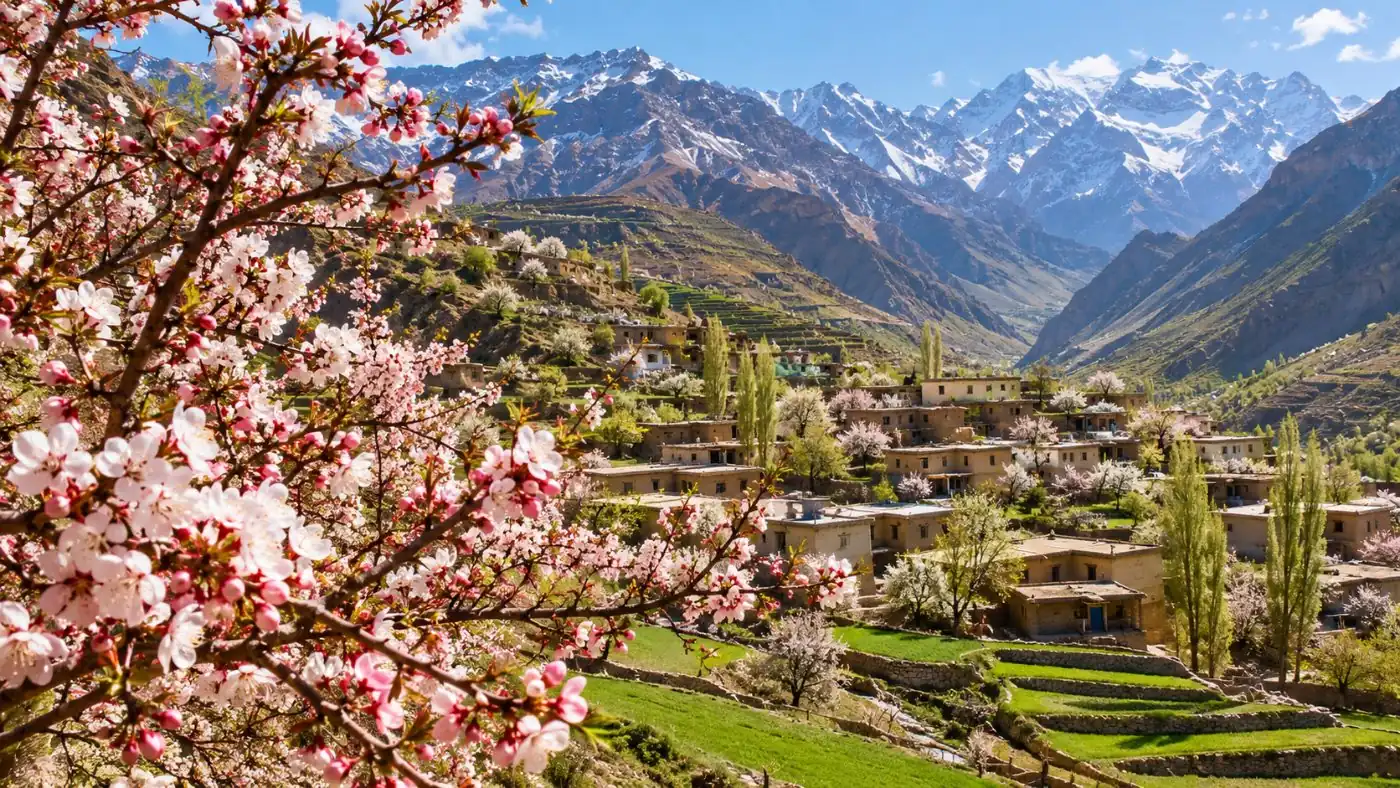
The upside: fruit trees flower in the valley villages, the slopes turn green, and there are few other tourists. May is drier and warmer, a good month for day trips.
What is autumn like in the Fann Mountains?
Dry and clear in September, cold at night by October, with the first snow on the peaks in late autumn.
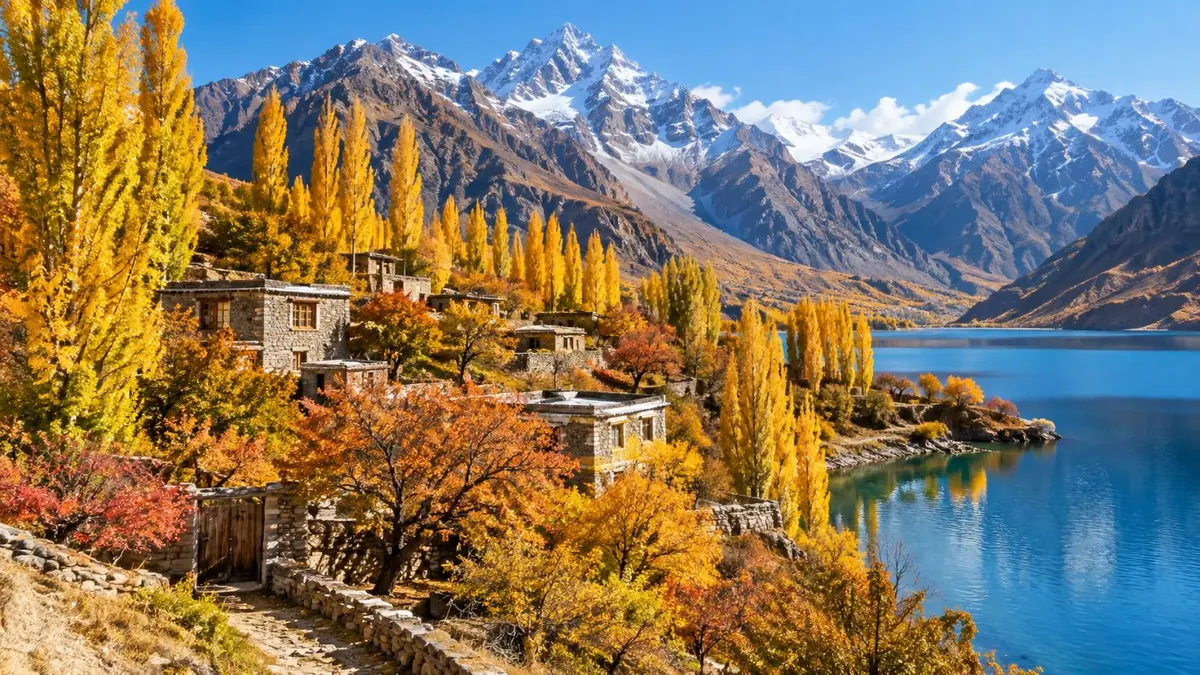
September in Panjakent averages 25 °C by day and only two rain days, and the passes stay open to about mid-month. October drops to 18 °C highs and 3 °C lows, and poplars and apricot trees go gold. Trek Tajikistan says conditions get less ideal after September as days shorten, and the first snow usually returns in late autumn.
For a day trip, early October is a fine choice: cooler air, autumn colour, and a fleece at the top lake.
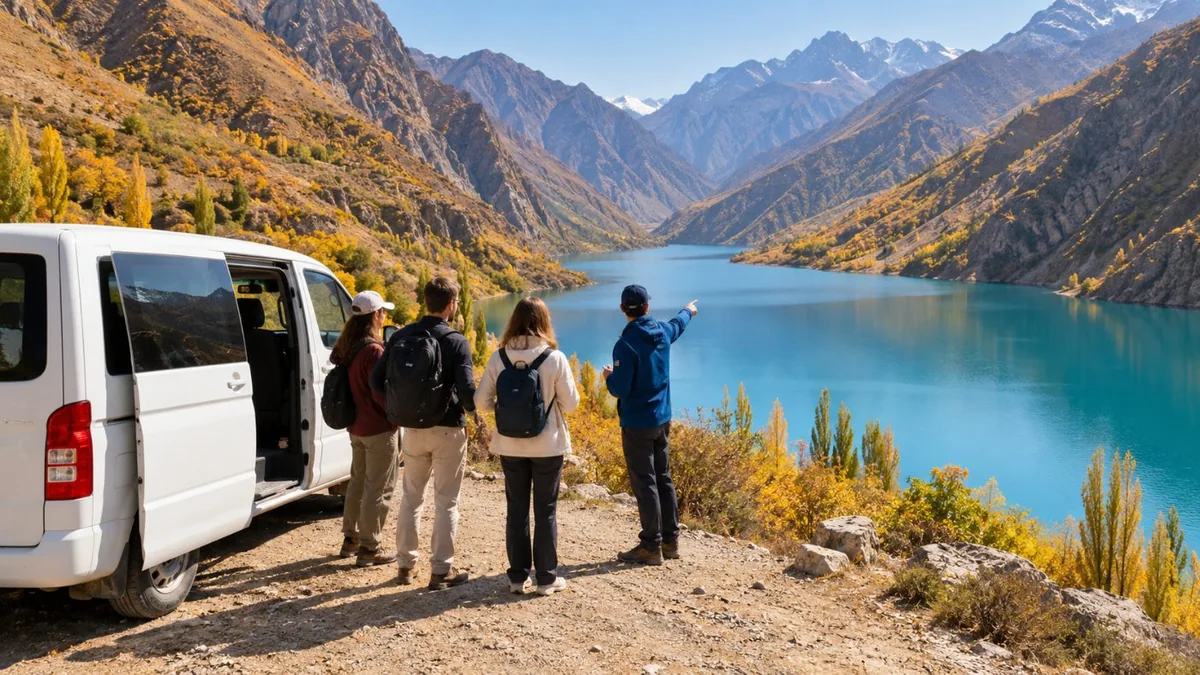
Autumn colour and quiet roads: the Seven Lakes day trip from Samarkand, lunch included.
Check dates for the Seven Lakes day tripWhat should you wear in the Fann Mountains?
Layers in every season. Sun protection in summer, a warm jacket from October to April, boots for treks and modest clothes in villages.
- Summer day trip: light trousers or a long skirt, a T-shirt that covers your shoulders, a fleece for the top lake, hat, sunglasses, sunscreen, swimwear.
- Spring and autumn: add a rain shell and a warm mid layer. Shoes with grip for wet stone.
- Winter: a down jacket, hat, gloves and boots that handle snow and ice.
- Trekking: broken-in boots, warm night clothing, sunscreen and a refillable bottle, as the Kulikalon listing asks. Nights at 2,850 metres are cold even in July.
Packing for the border day is in the Samarkand day trip guide, and the paperwork in visa and safety.
Frequently asked questions
What is the best month to visit the Seven Lakes?
September for dry weather and comfortable temperatures. July and August are bluest and busiest; October brings autumn colour.
Can you visit the Fann Mountains in winter?
Yes, by road, with snow and ice. A 4x4 may only reach the sixth of the Seven Lakes. Treks don't run.
When do the trekking passes open?
Usually in late June, when the snow clears, until about mid-September.
Is it too hot in summer?
In the valleys it can be: Panjakent averages 31 °C in July. At the lakes it is cooler, and nights are cold.
Ready to book
Choose your trip
Free cancellation up to 24 hours before on every option. Prices are from-prices in USD and move with the season.
Seven Lakes Day Trip from Samarkand with Lunch
- Minibus from Samarkand to the lakes and back
- English-speaking guide, help at both border posts
- Lunch at Lake Marguzor (vegetarian on request)
2-Day Kulikalon Trek with a Tent Night
- Transport from Samarkand, with a Tajik driver after the border
- Mountain guide
- Tent and sleeping bag
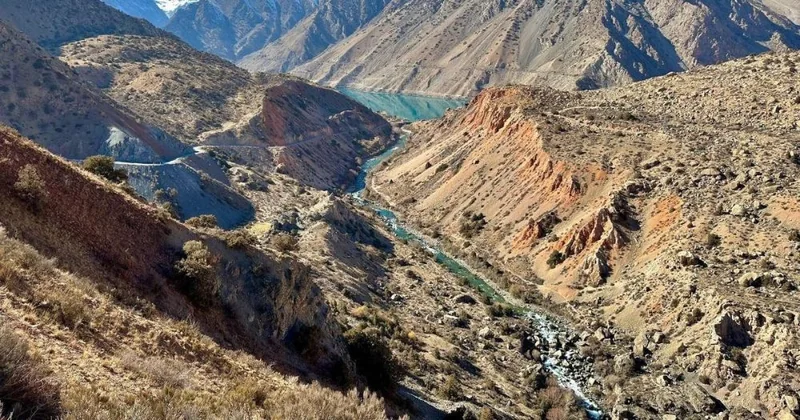
Iskanderkul Lake Day Tour from Dushanbe
- Hotel pickup and drop-off in Dushanbe
- English-speaking guide (also German and Russian)
- Air-conditioned car or minibus